The Uncomfortable Archive
Essays, videos, and reviews confronting erased history
Stories told in pixels
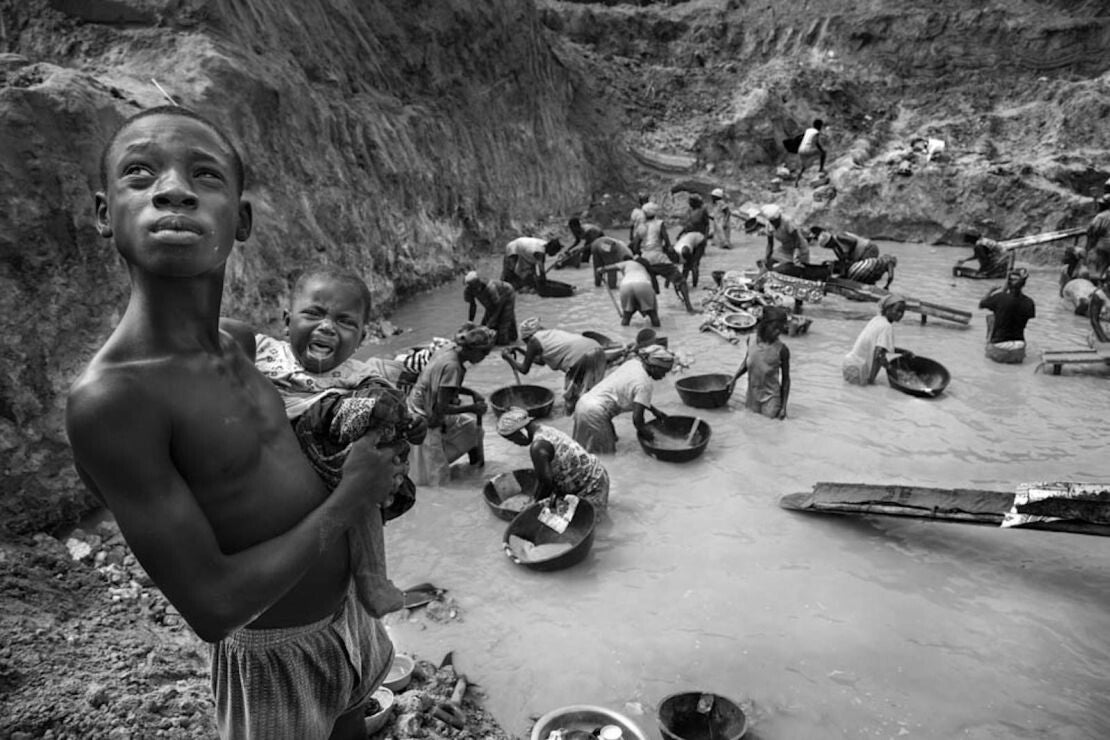
“Still in Chains”
They told us the chains were gone.
But forgot to mention
they learned how to make them invisible.
No iron on the wrists—
just rent due every month.
No overseer—
just a clock that owns your breath.
They don’t sell bodies at auction anymore.
They sell time.
They sell attention.
They sell hope—
and charge interest on it.
You work until your spine bends,
your mind numbs,
your spirit forgets its name.
And they call it freedom
because you can choose
which cage you starve in.
This is not progress.
This is refinement.
Written By: Pavielle Gallegos
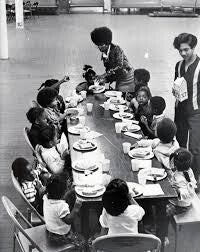
The Black Panther Party, founded in 1966, emerged in response to police brutality, economic exploitation, and systemic neglect in Black communities. While widely remembered for their stance on self-defense, the Panthers were equally—if not more—committed to community survival and self-determination.
They understood a simple truth: you cannot talk about freedom to people who are hungry.
One of their most impactful initiatives was the Free Breakfast for Children Program, which provided daily meals to thousands of Black children across the country. This program addressed an immediate need while exposing a deeper failure—communities were being starved not by accident, but by neglect. The Panthers did not wait for permission, funding, or government approval. They organized, sourced resources, and fed their people directly.
Beyond breakfast, the Panthers created free health clinics, education programs, and mutual aid networks, proving that community care is a form of resistance. Their work challenged the idea that liberation must come from institutions that have historically failed—or harmed—the very people they claim to serve.
What They Left Us to Follow
The Panthers left behind more than history; they left a blueprint:
-
Meet people’s immediate needs
-
Build self-reliant community programs
-
Act instead of waiting
-
Understand that survival is political
Their example directly inspires initiatives like the FREE Milk Program—a modern response to the same reality: communities still lack access to basic nourishment, and waiting on systems has never worked.
If the Panthers could feed children under surveillance, intimidation, and constant threat, we can feed our communities today.
👉 Check out Resources to Sign Up for the FREE Milk Program
Because community care is not charity—it’s responsibility.
Stories told in pixels
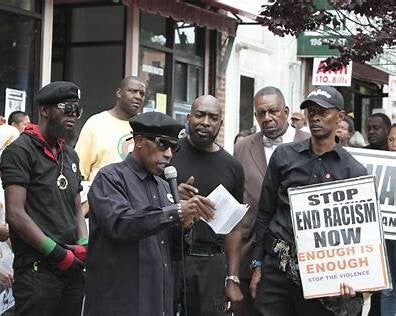
Racism Must End—Not Be Rebranded
Racism must end—not because it is impolite,
not because it is outdated,
but because it is a failure of humanity that continues to poison the future.
Racism is not ignorance alone.
It is a deliberate system of fear, built to maintain power by denying others their full humanity.
It teaches people to protect privilege instead of truth,
comfort instead of justice,
control instead of coexistence.
As long as racism exists, no society can call itself free.
You cannot claim progress while entire communities are overpoliced, underpaid, miseducated, and blamed for conditions they did not create.
You cannot speak of equality while benefiting from inequality.
Racism must end because it requires constant lies to survive—
lies about history,
lies about intelligence,
lies about worth.
And every lie corrodes the moral core of the people who defend it.
Ending racism is not about guilt.
It is about responsibility.
It is about choosing truth over tradition,
humanity over hierarchy,
and courage over comfort.
The question is no longer whether racism should end.
The question is who is willing to let go of the power it gives them.
Because until racism ends,
none of us are free—
only managed.
- Pavielle Gallegos